9 Days, One CGM: Does Coffee Timing Actually Ruin Your Metabolism?
This study explores how the timing of coffee consumption, protein preloading, and meal sequencing influence postprandial glucose responses using continuous glucose monitoring (CGM). While common dietary advice often warns against drinking coffee on an empty stomach due to potential blood sugar spikes, empirical evidence in real-world conditions remains limited. To address this, a nine-day single-subject experiment was conducted to generate controlled, data-driven insights into how simple behavioral changes affect metabolic outcomes.
A healthy 28-year-old individual with a normal BMI (22–24), no metabolic disorders, and stable lifestyle habits participated in the study. Experimental conditions were standardized by maintaining consistent sleep, diet, and physical activity, eliminating alcohol and medications, and enforcing a caffeine washout period after 2:00 PM. Each test day began from a controlled metabolic baseline. The standardized meal consisted of 60 grams of carbohydrates from rolled oats. A 15-gram protein buffer (raw almonds) was introduced in selected conditions to evaluate its potential protective effect against caffeine-induced insulin resistance.
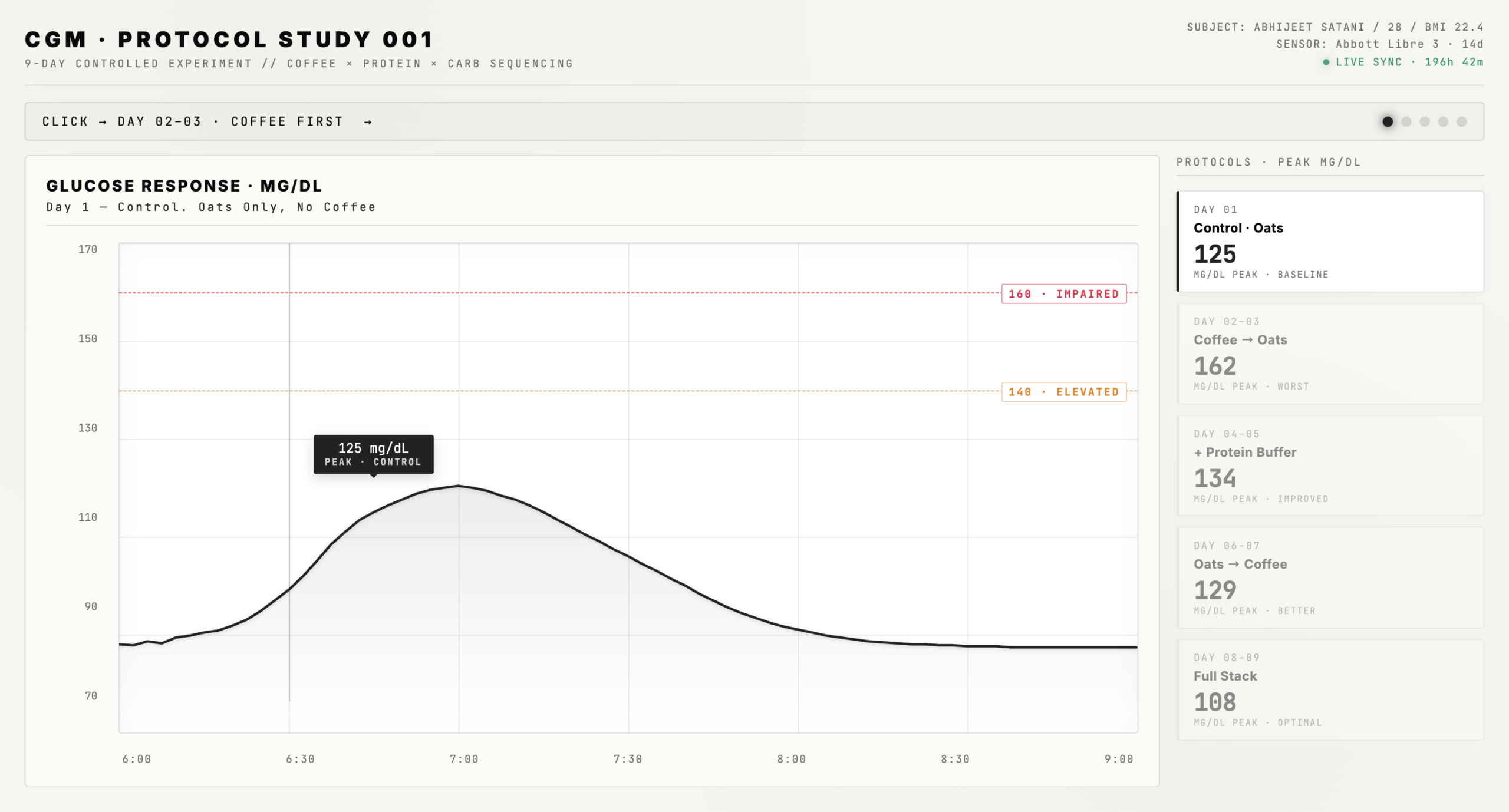
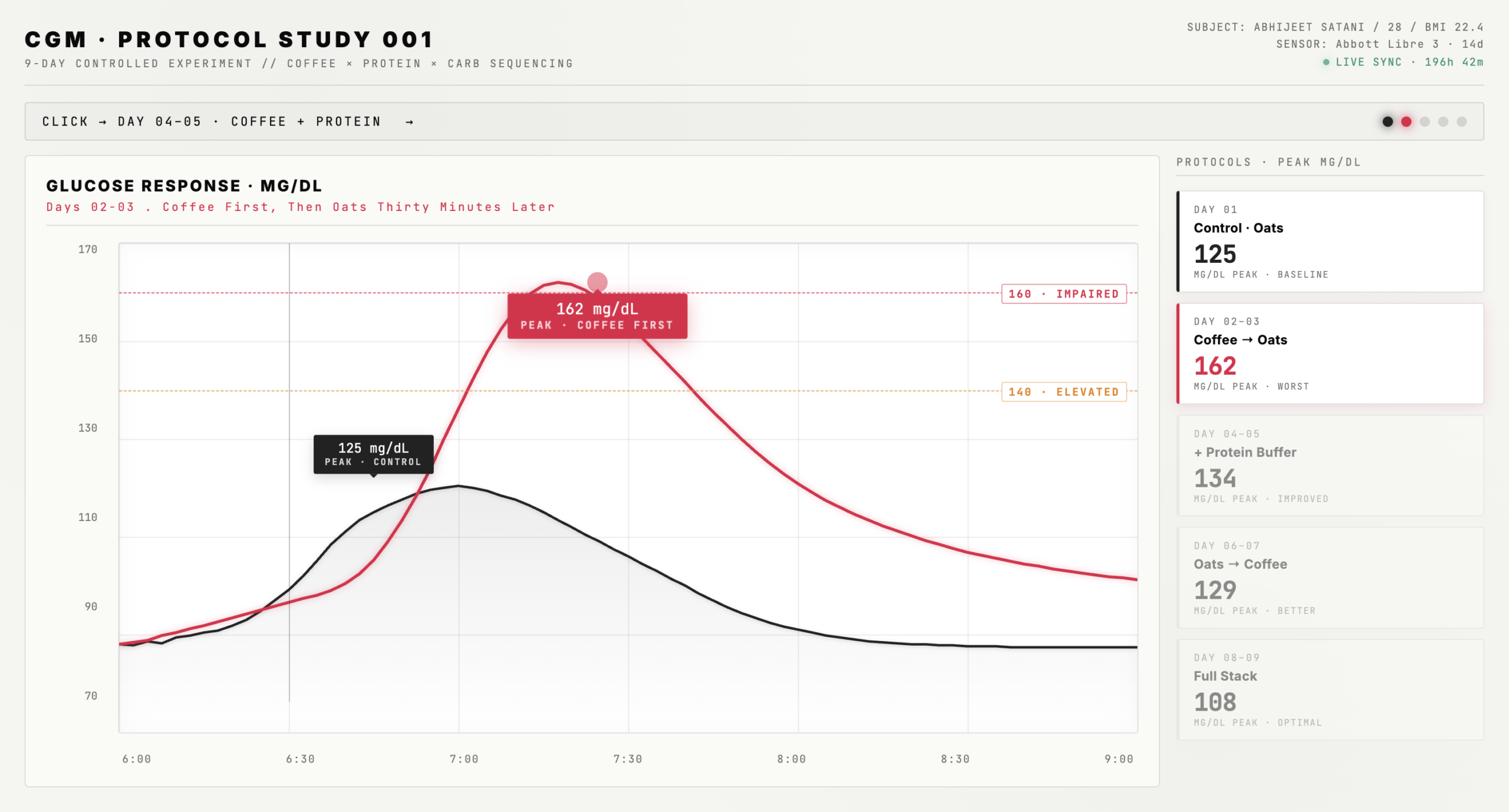
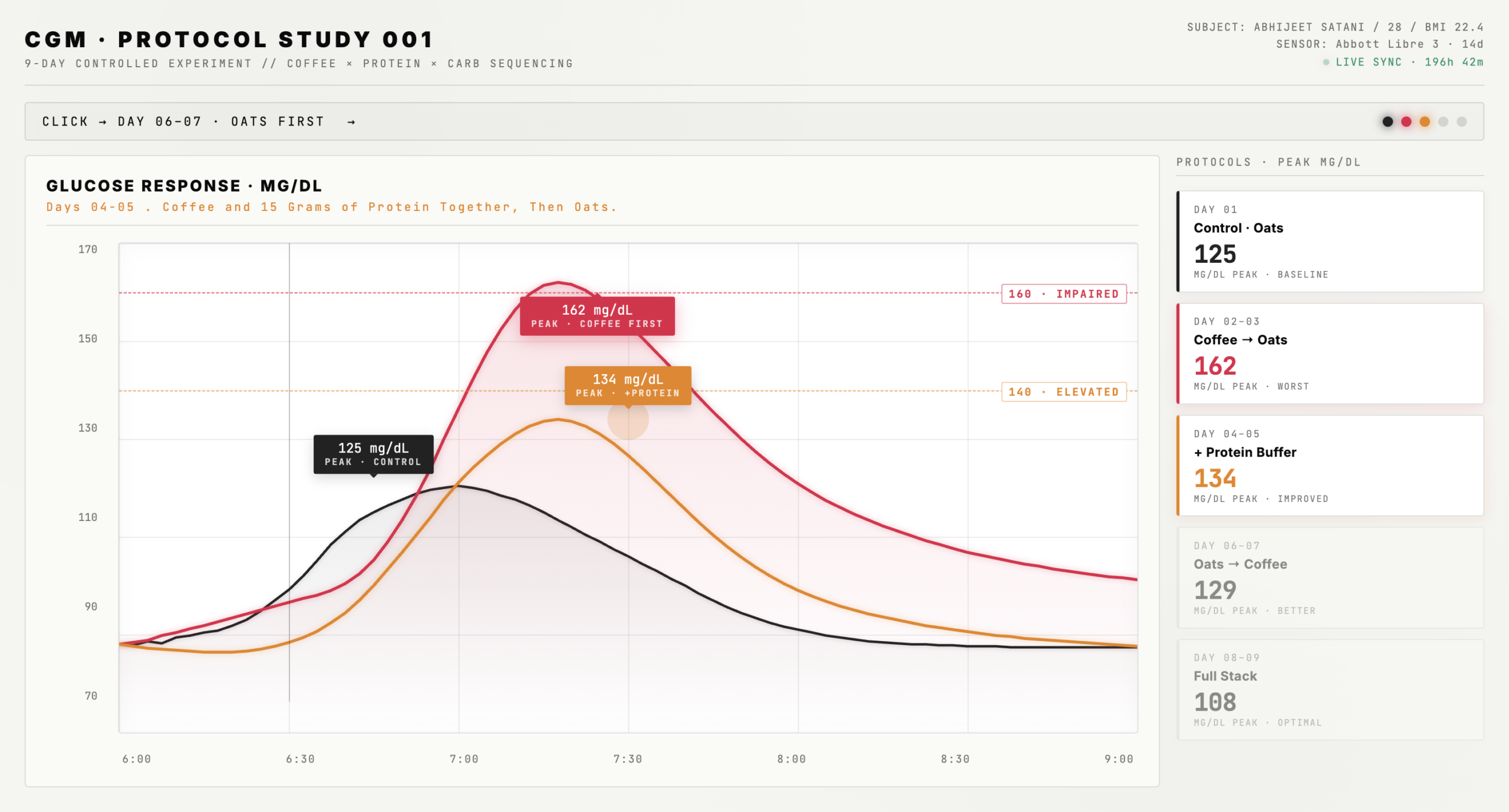
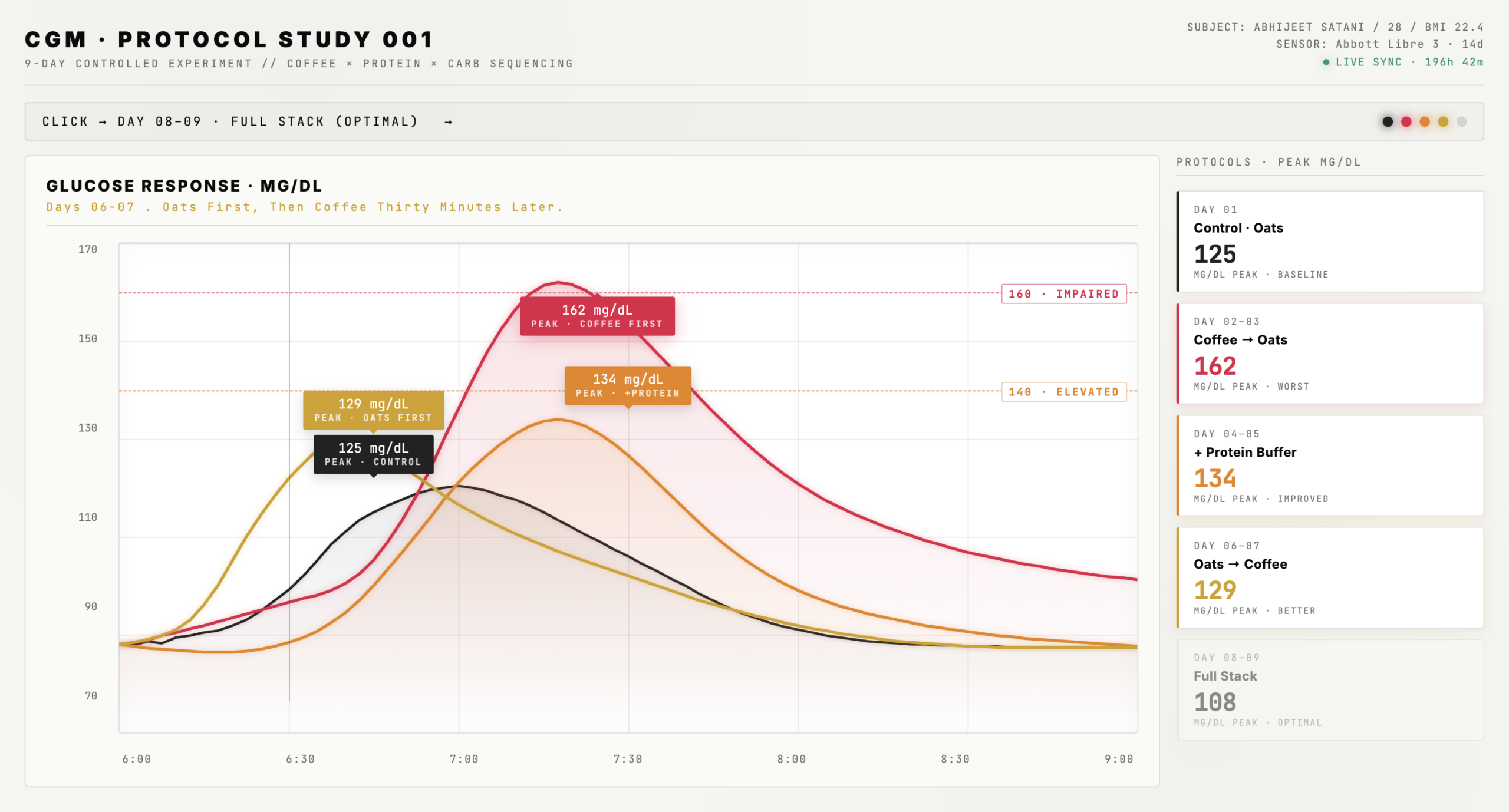
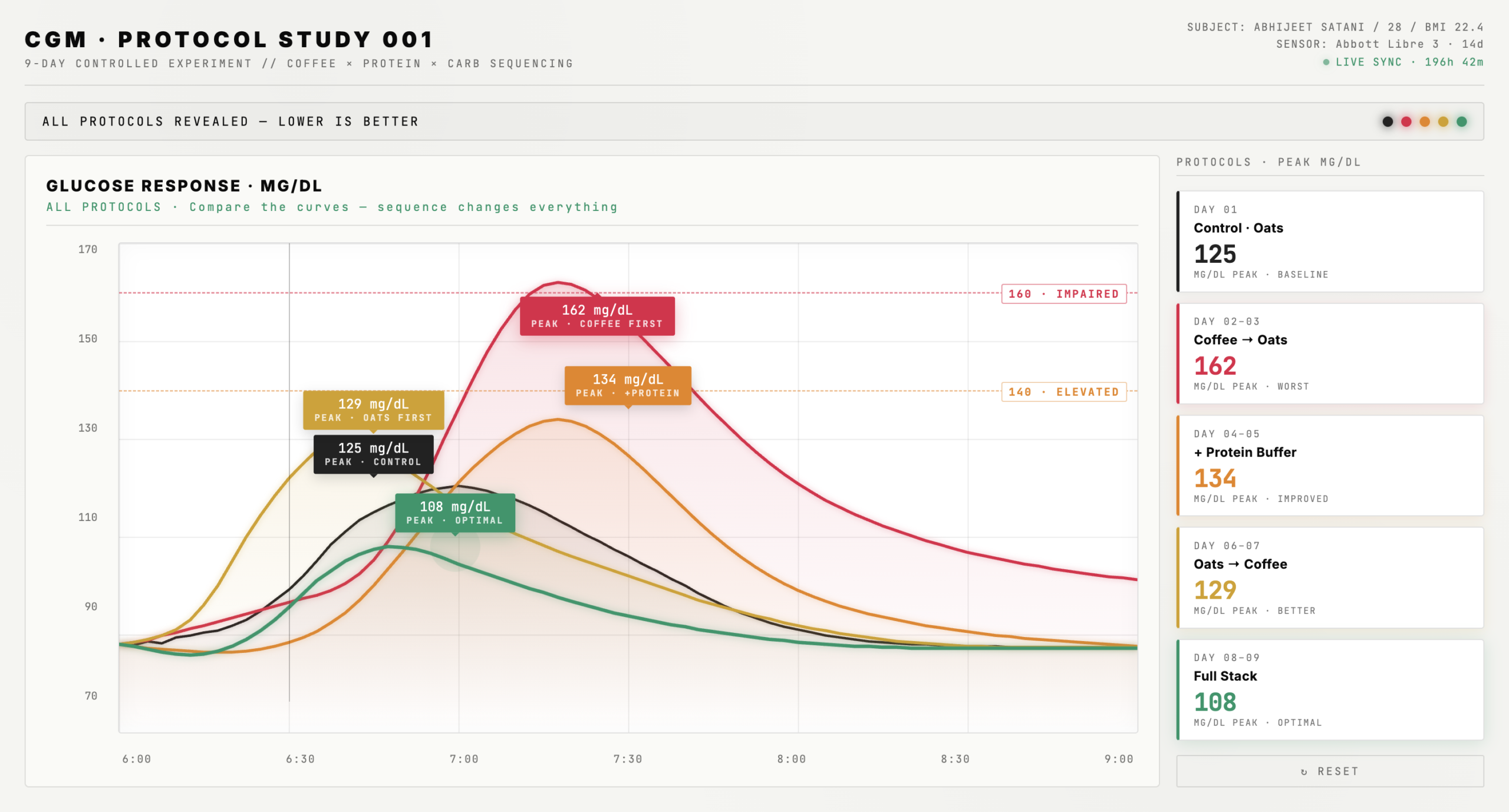
Five conditions were tested: (1) oats only (control), (2) coffee consumed 30 minutes before oats, (3) coffee with protein before oats, (4) oats before coffee, and (5) protein first, then oats, followed by coffee after 30 minutes. Peak glucose levels recorded via CGM served as the primary outcome.
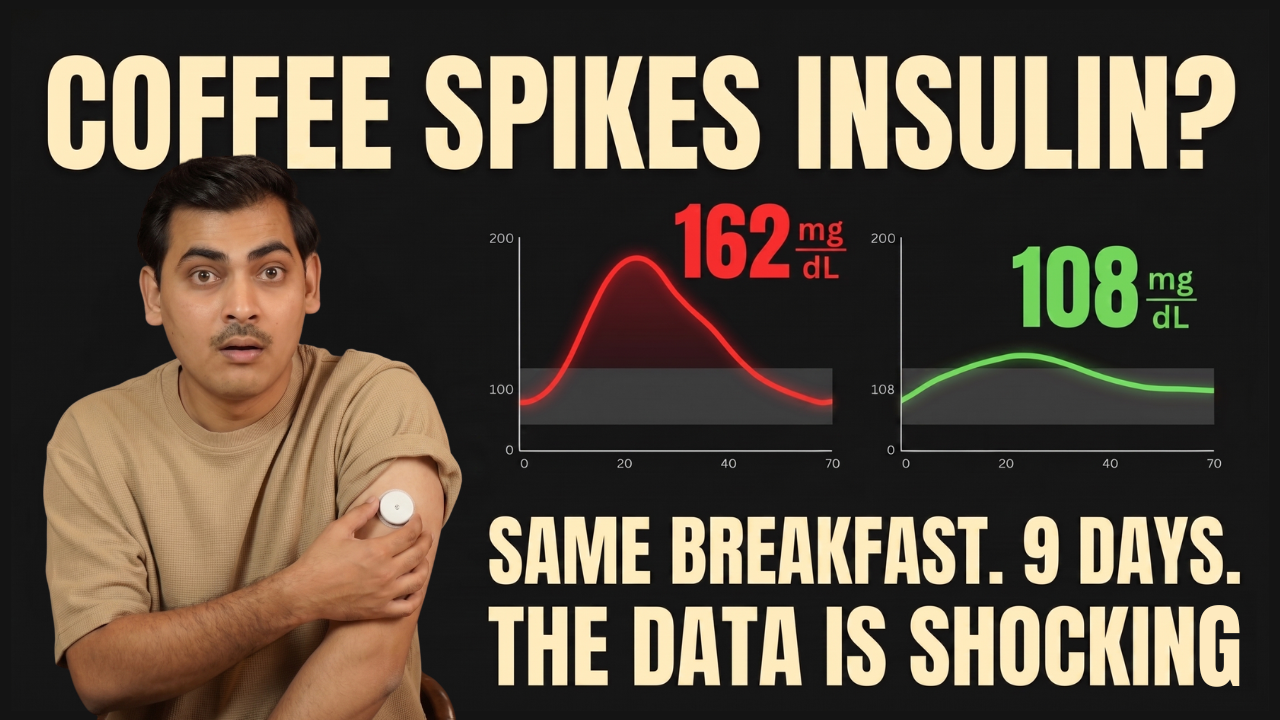
The control condition produced a peak glucose of 125 mg/dL, representing a normal response. When coffee was consumed before oats, glucose peaked at 162 mg/dL—an increase of nearly 30%, suggesting impaired insulin sensitivity likely driven by caffeine-induced hormonal responses (e.g., cortisol and adrenaline). Adding protein alongside coffee reduced the peak to 134 mg/dL, indicating partial mitigation, possibly through incretin-mediated insulin priming.
Reversing the sequence—consuming oats before coffee—resulted in a peak of 129 mg/dL, close to baseline, suggesting that initiating glucose metabolism prior to caffeine exposure reduces its negative impact. The most optimal response was observed when protein was consumed first, followed by oats and delayed coffee intake, resulting in a peak glucose of 108 mg/dL—the lowest across all conditions.
Notably, subjective energy and focus remained unchanged across protocols, despite significant differences in glucose responses. This highlights the value of CGM in detecting metabolic variations not perceptible through subjective experience.
Overall, the findings demonstrate that coffee timing and meal order significantly affect glucose regulation. Simple adjustments—such as consuming protein before carbohydrates and delaying coffee intake—can substantially improve glycemic control without altering diet composition.
DECLARATIONS
Competing Interests – The author declares no competing interests. No financial relationships, commercial affiliations, institutional sponsorships, or external funding of any form were associated with the conduct of this study. No equipment, reagents, or material support were received from any commercial or non-commercial entity. All costs were personally borne by the author-investigator. The study was conceived and executed independently, and no external party holds any financial or non-financial interest in the findings reported herein.
Patient Consent – Informed consent was obtained from the study participant. The subject of this investigation and the principal investigator are the same individual — Abhijeet Satani (Patient ID: AS-28821). The author designed the experimental protocol, provided voluntary self-consent before commencement, served as the sole participant throughout, and conducted all subsequent data interpretation. No third-party participants were enrolled. No data were collected from any individual other than the author-investigator.
Ethics Statement – This self-experiment was conducted under the internal oversight of Satani Research Centre (SRC/T/8/0.10). The intervention — controlled short-term sleep restriction followed by a structured recovery sleep phase — presents no greater physiological risk than the occupational sleep restriction routinely experienced by large segments of the working population. No invasive procedures were performed beyond standard venepuncture, which was carried out by trained laboratory personnel in accordance with established clinical protocols. All biomarker assessments were conducted within accepted reference frameworks. The experimental protocol was concluded by design at 14 days, and at no point during the study did any measured parameter reach a threshold warranting clinical intervention or early termination.
Document Status – This document constitutes a personal research record maintained at Satani Research Centre solely for private reference. All data were prospectively collected and processed in-house between 1 and 10 April 2026. This record has not been submitted to any academic journal, has not undergone external peer review, and should not be interpreted as a formally peer-reviewed scientific publication.
COPYRIGHT
Satani Research Centre © 2026 All Rights Reserved. This document, including all text, data, tables, analysis, experimental design, and findings contained herein, is the original intellectual property of Abhijeet Satani, operating under Satani Research Centre (SRC/T/8/0.10), India. No part of this document may be reproduced, distributed, transmitted, republished, or adapted, in whole or in part, in any form or by any means, whether electronic, mechanical, photocopying, recording, or otherwise, without the prior written permission of the copyright holder. The experimental data, biomarker records, and personal health information contained in this document relate exclusively to the author-investigator and are protected under applicable personal data and intellectual property frameworks. Unauthorised use, reproduction, or misrepresentation of this material is strictly prohibited. This document is maintained as a private research record. It does not constitute a published work, and no licence to reproduce or adapt its contents is granted by virtue of access to this file.
Satani Research Centre © 2026 All Rights Reserved | SRC/T/8/0.10 | Research Record, Not for Public Distribution | Study Ref: AS-28821 | March 2026
For permissions or enquiries: team@abhijeetsatani.com | Satani Research Centre | SRC/T/8/0.10 | India | Study Reference: AS-28821